Harvard Researchers Stunned: The Real Reason Your Teeth Are Decaying Has Nothing to Do With Brushing
A groundbreaking study published in Springer Nature has revealed a shocking truth about dental health that dentists have been overlooking for decades. Here’s what 95,000+ people are now doing differently.

If you brush your teeth twice a day, floss regularly, and still struggle with cavities, bad breath, or bleeding gums… what you’re about to read could change everything you thought you knew about oral health.
For years, the dental industry has told us the same thing: brush more, floss more, use more mouthwash. Yet somehow, Americans spend over $124 billion on dental care annually — and dental problems keep getting worse.
Why? Because according to a landmark study recently published in the prestigious Springer Nature journal, the real cause of dental decay isn’t what’s getting IN your mouth…
It’s what’s being destroyed inside it.
The Shocking Truth Your Dentist Isn’t Telling You
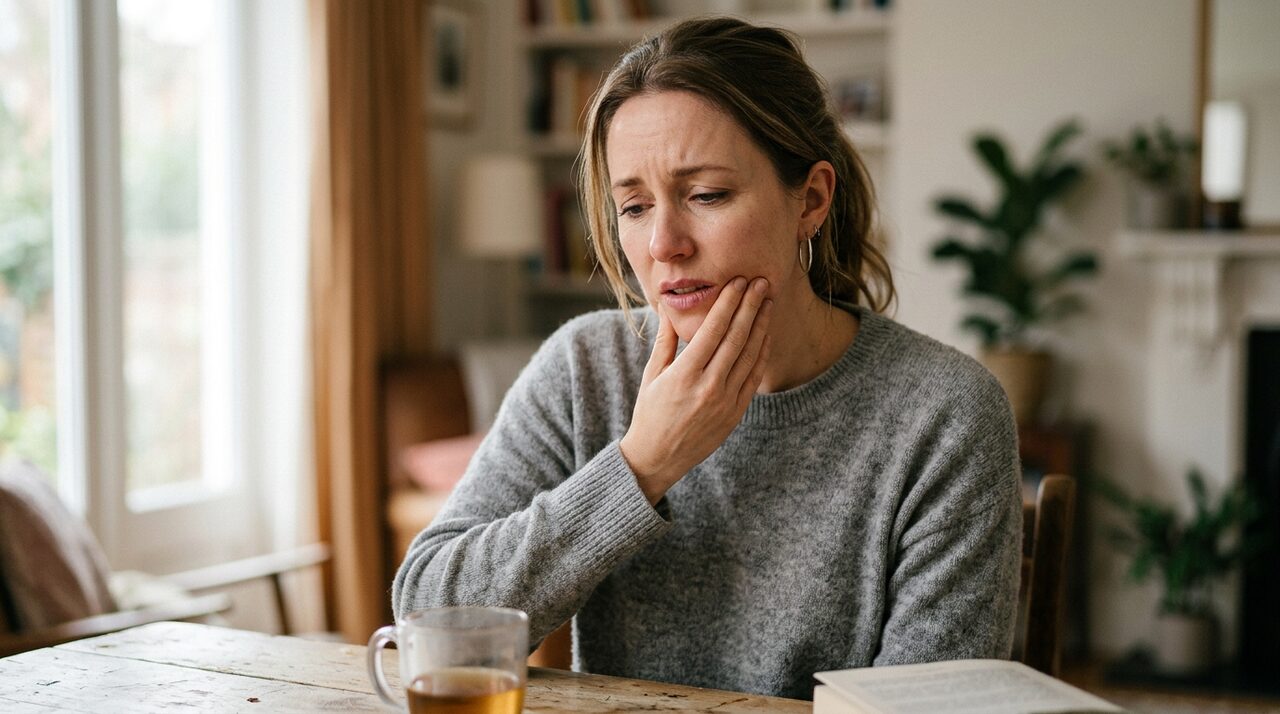
Millions suffer from dental problems despite following every recommended hygiene routine
Here’s something that will make you think twice about your morning routine: your teeth can survive for hundreds of years outside of your mouth (as fossils prove), yet inside your mouth, they can be destroyed by something as simple as chocolate.
Why the difference? The answer lies in your oral microbiome — the delicate ecosystem of bacteria living in your mouth right now.
New research has revealed that many common dental products — yes, including popular toothpastes and mouthwashes — contain toxic ingredients that systematically destroy the good bacteria your mouth desperately needs.
Think about it: you’re told to use products that are supposed to “kill 99.9% of bacteria.” But they don’t discriminate between the harmful bacteria AND the protective bacteria your mouth needs.
It’s like dropping a bomb on a city to eliminate a few criminals. Sure, you get the bad guys — but you destroy everything else in the process.
What Actually Determines Whether Your Teeth Thrive or Decay
The research is now crystal clear: the population of good bacteria in your mouth is the #1 determining factor in whether you’ll have healthy teeth and gums — or spend thousands at the dentist every year.
People with naturally strong, white teeth don’t necessarily have better hygiene habits. They simply have a thriving population of protective bacteria that acts as a living shield for their teeth and gums.
And now, thanks to recent advances in probiotic science, researchers have identified the exact strains of bacteria responsible for dental health — and developed a method to repopulate the mouth with these protective organisms.
The “Oral Probiotic” Breakthrough That’s Changing Everything
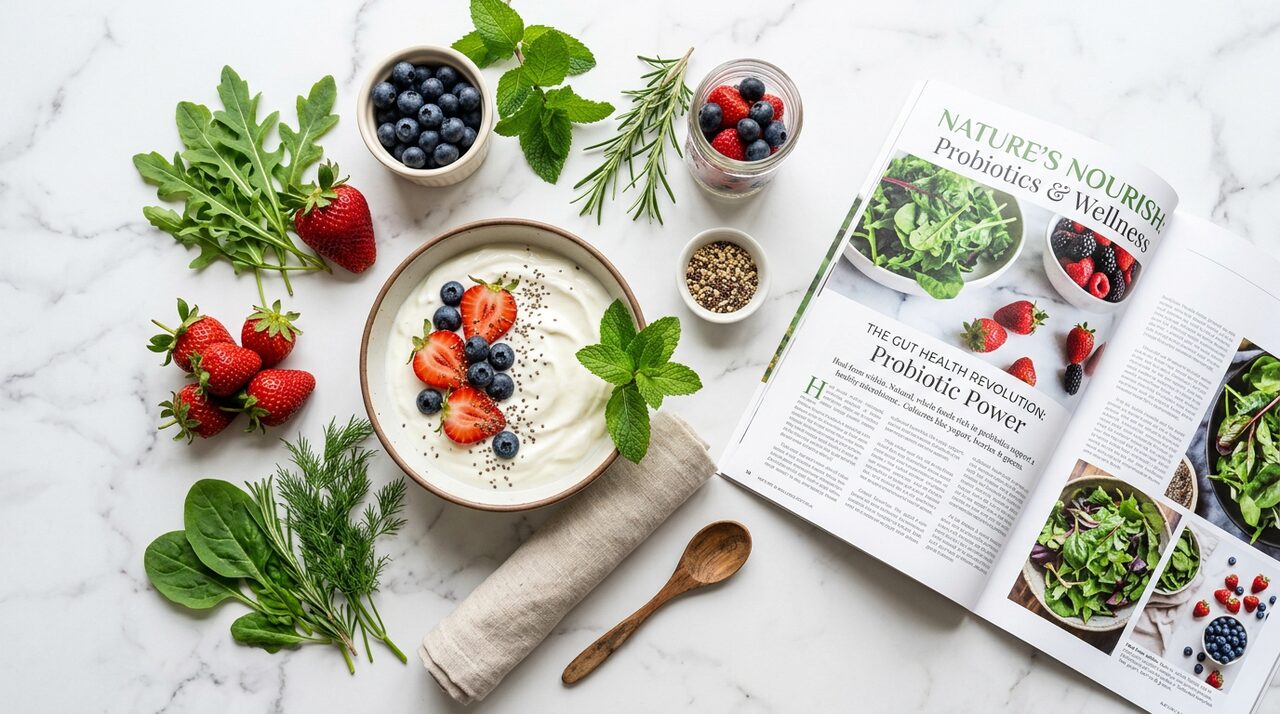
Specific probiotic strains have been clinically shown to support the oral microbiome
You’ve probably heard of probiotics for gut health. But oral probiotics are an entirely different category — and they’re backed by some of the most exciting research in dental science today.
Specific probiotic strains have been clinically demonstrated to:
- Repopulate the mouth with protective beneficial bacteria
- Support healthy gum tissue and reduce inflammation
- Help maintain naturally white teeth without harsh chemicals
- Promote fresh breath at the source (not just mask it)
- Support the entire oral ecosystem from the inside out
But here’s the thing — you can’t get these specific oral probiotic strains from yogurt, kombucha, or regular probiotic supplements. They require a very specific delivery method to survive and colonize in the oral environment.
The Key Strains Identified by Researchers:
Lactobacillus Paracasei — supports gum health and helps keep sinuses free and clear. Multiple studies have confirmed its ability to prevent harmful bacteria from colonizing tooth surfaces.
Lactobacillus Reuteri — one of the most studied probiotic strains in the world, shown to help with oral inflammation and support a healthy mouth environment.
B.lactis BL-04® — supports the balance of oral bacteria while also boosting immune function and respiratory health.
When combined in the right concentrations (3.5 billion CFUs), these strains create a powerful protective effect that helps teeth and gums stay healthy naturally.
Discover the Full Breakthrough Method
Watch the short presentation that reveals exactly how this oral probiotic approach works — and why thousands are calling it a “game-changer” for their dental health.
► Watch the Free PresentationWhy This Approach Is Different From Anything You’ve Tried
This isn’t another toothpaste. It’s not a mouthwash. And it’s definitely not another trip to the dentist.
What researchers developed is a dissolvable probiotic formula that you simply chew once a day. As it dissolves, it releases billions of beneficial bacteria directly into your oral environment — right where they’re needed most.
No harsh chemicals. No toxic ingredients. No destruction of your natural oral microbiome.
Instead, it works with your body’s natural systems to rebuild what years of conventional dental products have destroyed.
“I’ve always taken such good care of my teeth but it always felt like I wasn’t doing enough. Now, for the first time in decades, my teeth feel amazing.” — Sam P., Dallas, TX
“My gums have never looked better. It feels so good to not have to worry about my teeth anymore.” — Theo F., Chicago, IL
What Happens When You Rebuild Your Oral Microbiome

Restoring the oral microbiome can lead to visibly healthier teeth and gums
People who have adopted this approach report a range of benefits that go far beyond just “cleaner teeth”:
- Visibly whiter teeth without bleaching or chemicals
- Gums that no longer bleed during brushing
- Significantly fresher breath that lasts all day
- Less sensitivity to hot and cold foods
- Fewer cavities and dental problems overall
- Reduced inflammation and healthier-looking gums
- More confidence when smiling and talking to others
And perhaps most importantly — dramatically less money spent at the dentist.
The Science Is Clear, But Time May Be Running Out
Every day you continue using products that destroy your oral microbiome, you’re making the problem worse. The good bacteria population becomes harder to rebuild the longer it’s been depleted.
That’s why researchers emphasize taking action sooner rather than later. The oral microbiome can be repopulated — but it requires the right approach with clinically-validated strains in the right concentrations.
There’s a short, free presentation that explains exactly how this breakthrough works — including the specific study published in Springer Nature, the exact probiotic strains involved, and how you can start rebuilding your oral microbiome as early as today.
See How 95,000+ People Are Transforming Their Dental Health
This free presentation reveals the full story behind the oral microbiome breakthrough — and exactly what you can do about it starting today.
► Watch Now — While It’s Still AvailableFrequently Asked Questions
Is this just another supplement?
No. This is a clinically-researched oral probiotic formula containing 3.5 billion CFUs of specific bacterial strains proven to support oral health. It’s delivered in a unique chewable format designed to release bacteria directly into the oral environment. Learn more in the free presentation →
How quickly do people see results?
Individual results vary, but based on feedback from over 95,000 users, many people report noticeable improvements in gum health and breath freshness within the first few weeks. Optimal results are typically seen with consistent use over 3-6 months.
Is there a guarantee?
Yes — there’s a full 60-day money-back guarantee. If you’re not completely satisfied for any reason, you can receive a full refund, no questions asked. See full details here →
Why haven’t I heard about this before?
The research on the oral microbiome is relatively new — the key study was only published in 2022. And unfortunately, the dental industry has a financial incentive to keep selling the same products that perpetuate the problem. This approach challenges the conventional wisdom, which is why it’s spreading primarily through word-of-mouth and independent health publications.